
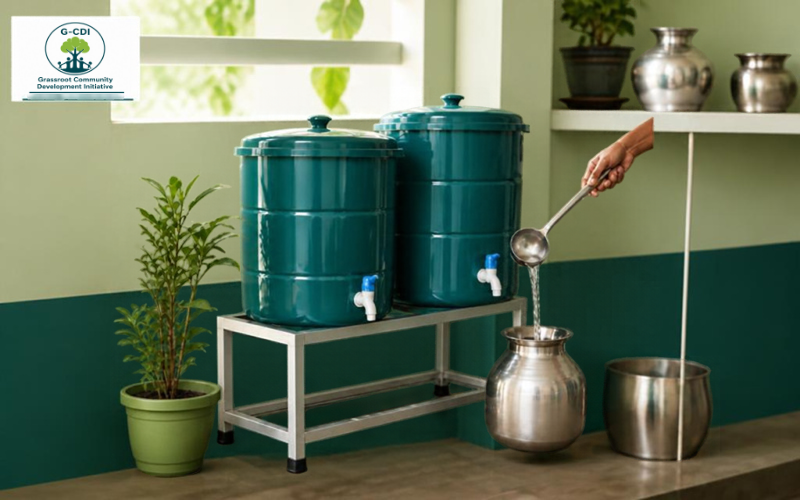
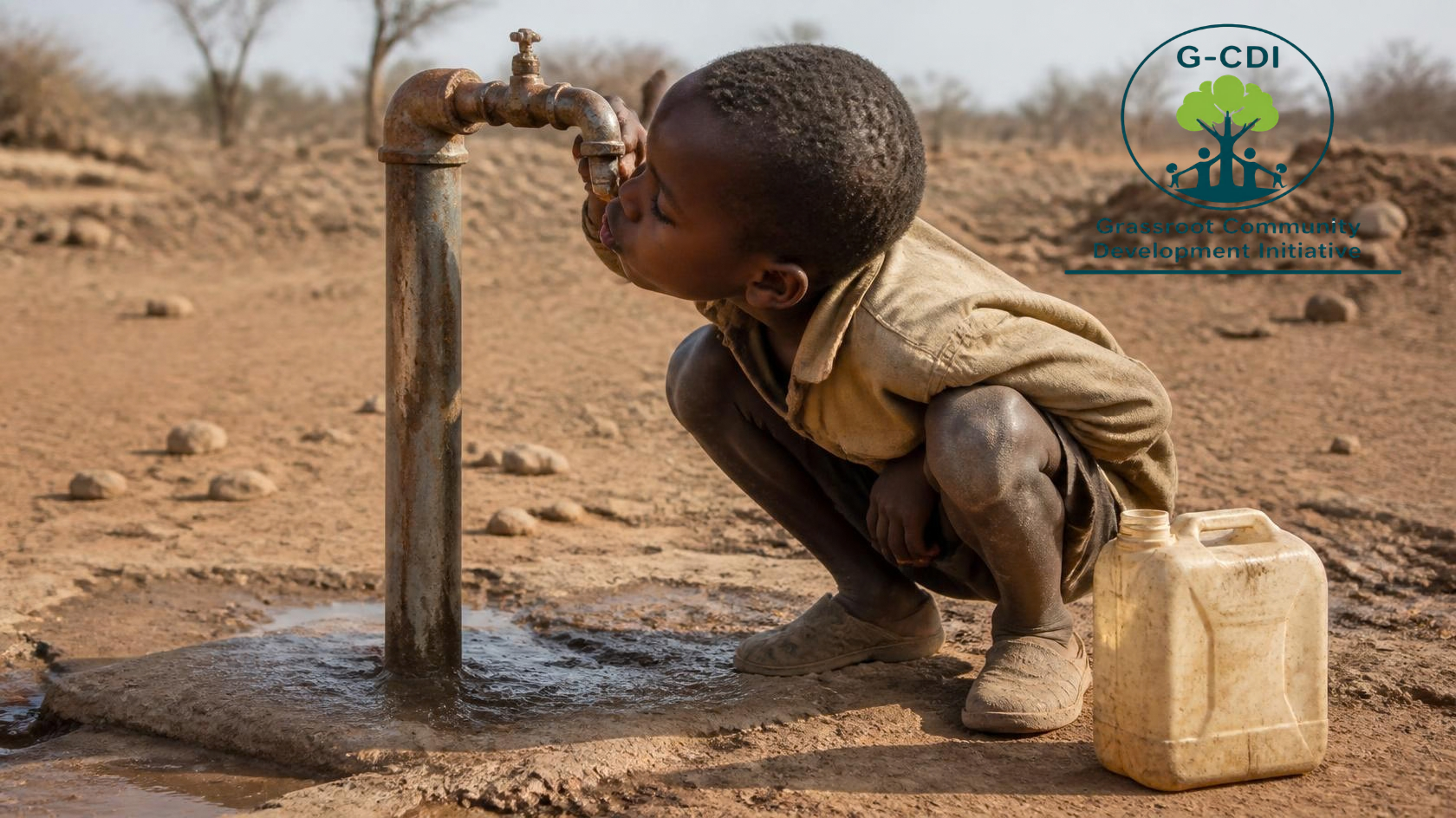
Clean and safe water is necessary for drinking, cooking, washing, and other daily activities. When people use contaminated water, they are at greater risk of diseases such as diarrhoea, cholera, and typhoid.
Having access to safe water helps families stay healthy and reduces the spread of waterborne diseases. It also saves people the time and effort of travelling long distances to collect water.
Sanitation includes access to toilets and proper disposal of human waste. When waste is not safely managed, it can contaminate water sources, food, and the surrounding environment.
Proper toilets and waste management help reduce the spread of diseases and make communities cleaner, safer, and more comfortable. Everyone deserves access to a clean and safe place to use the toilet.
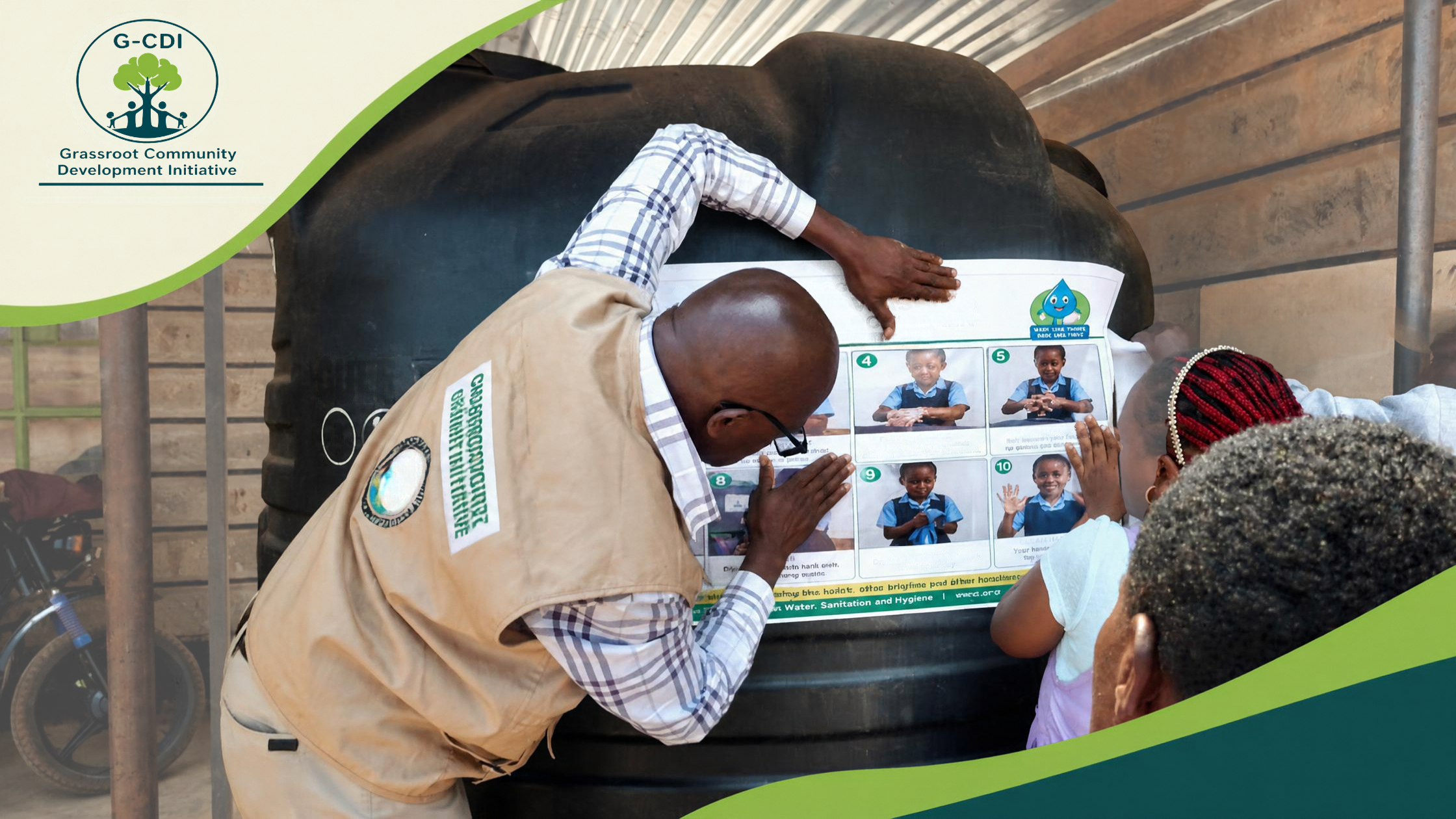
Simple hygiene practices can make a big difference. Handwashing with soap and clean water, especially after using the toilet and before preparing or eating food, helps prevent the spread of germs.
Other good hygiene practices include keeping the body clean, handling food safely, maintaining clean homes, and keeping surroundings free from waste.
Children are especially vulnerable to diseases caused by poor water, sanitation, and hygiene. Frequent illness can affect their growth, school attendance, learning, and overall development.
Schools with clean water, toilets, and handwashing facilities provide children with a healthier and safer environment where they can learn and grow.
WASH is not only about individual health. It benefits entire communities. When people have access to safe water, proper sanitation, and good hygiene facilities, there is less contamination and fewer opportunities for diseases to spread.
Communities can also become cleaner and more resilient when residents work together to protect water sources, maintain sanitation facilities, and promote healthy hygiene practices.
Improving WASH requires action from individuals, families, schools, communities, organizations, and governments. Communities can help by protecting water sources, using toilets properly, disposing of waste safely, and encouraging regular handwashing.
Small actions, when practiced consistently, can create lasting changes in health and well-being.
Water, sanitation, and hygiene are basic needs and essential foundations for a healthy life. Access to safe water, proper sanitation, and good hygiene reduces disease, protects children, improves dignity, and strengthens communities. Investing in WASH is therefore an investment in healthier people, safer environments, and a better future for all.




Share This News