
Introduction
Imagine a community where every family can access clean water, every household has a safe toilet, and every child understands the importance of washing their hands. This is the goal of Water, Sanitation and Hygiene (WASH). WASH is more than just water and toilets. It is about creating healthy, safe, and dignified communities where people can live, learn, and work without the constant threat of preventable diseases.
Yet, many communities continue to face challenges that make this goal difficult to achieve. Grassroot Community Development Initiative, GCDI, highlights some of the challenges that WASH program faces that makes it difficult for some of these communities to access water, sanitation and hygiene.
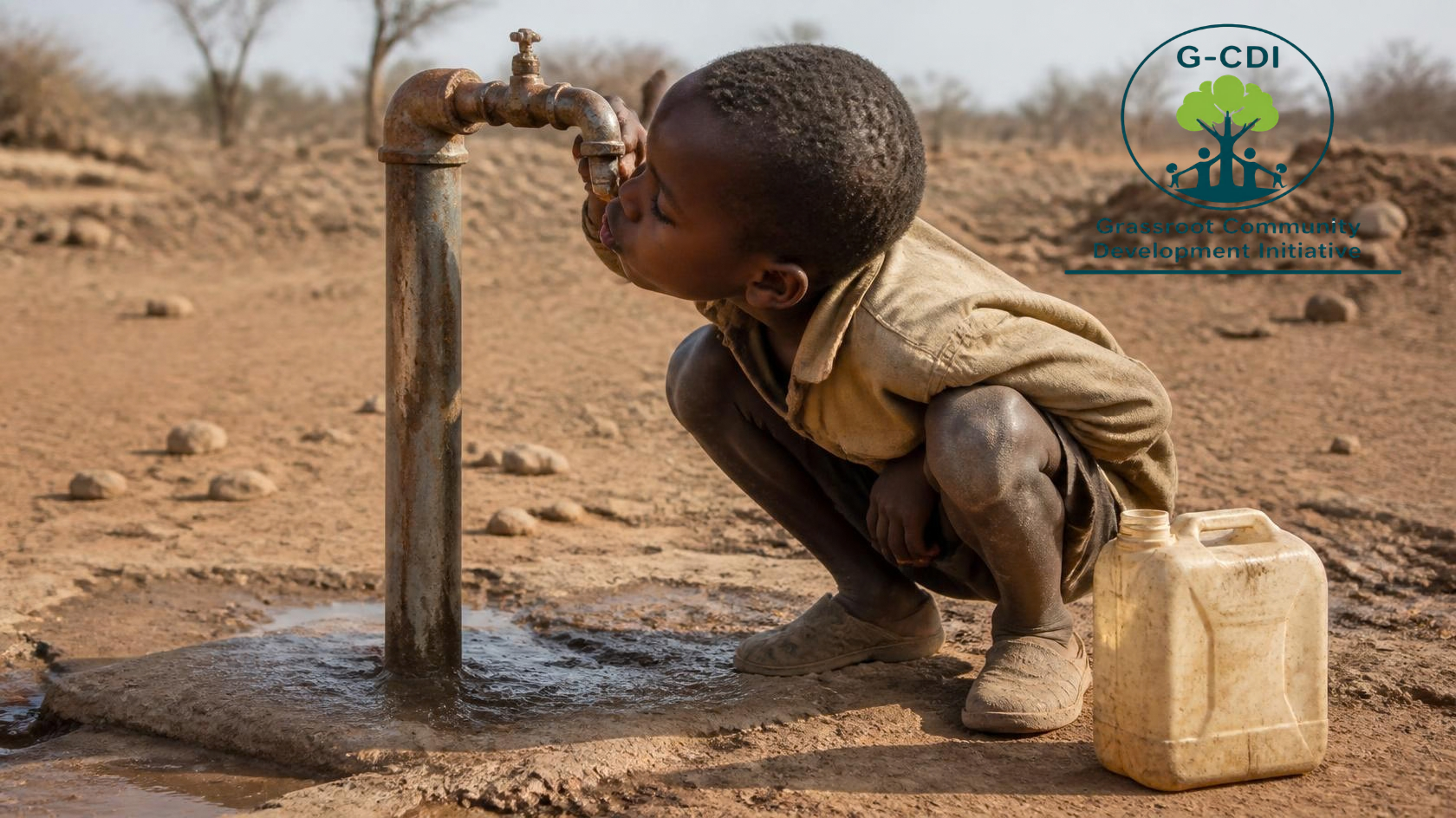
In some communities, families travel long distances to collect water or rely on unsafe sources such as rivers and ponds. Limited access to safe water can increase the risk of waterborne diseases and make everyday activities more difficult.
The lack of safe and adequate toilets can lead to open defecation and environmental contamination. Poor sanitation affects health, dignity, and the overall cleanliness of communities.
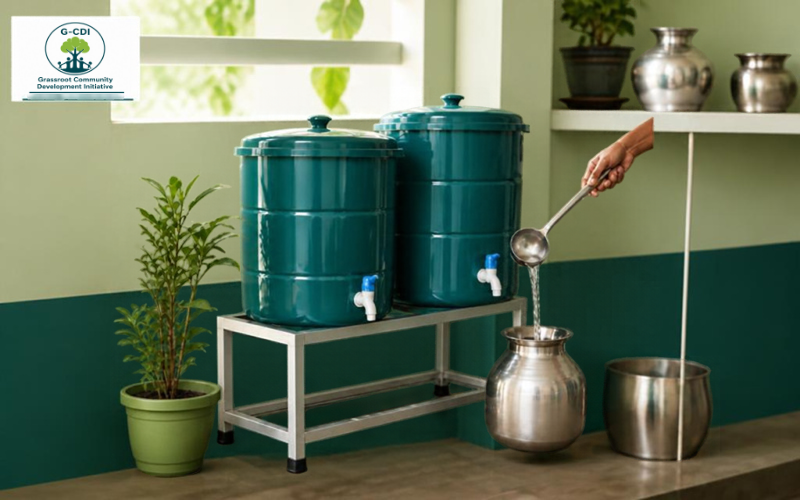
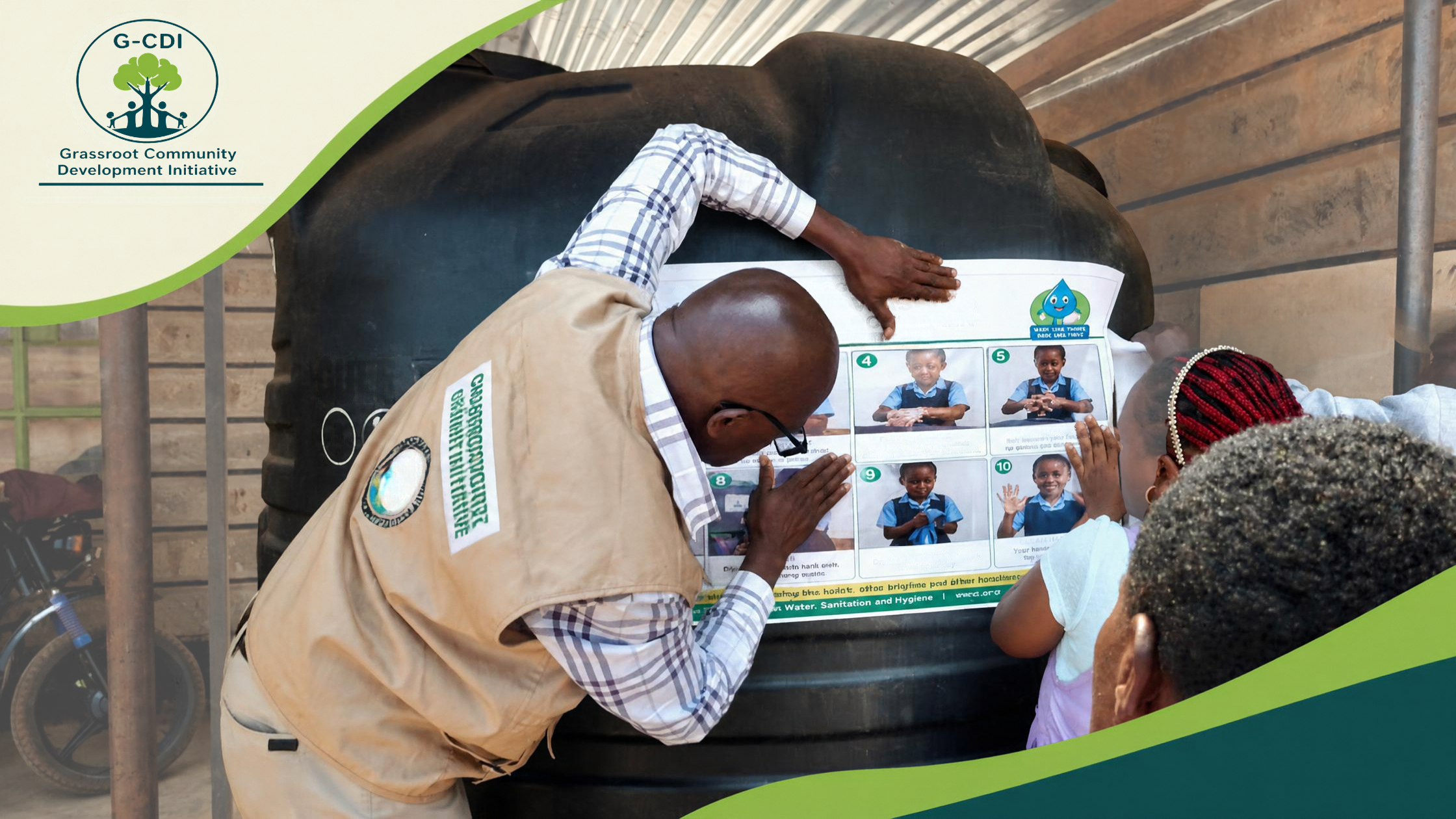
Good hygiene practices, such as washing hands with soap, help prevent the spread of disease. However, communities may lack reliable water, soap, and handwashing facilities in homes, schools, markets, and public spaces.
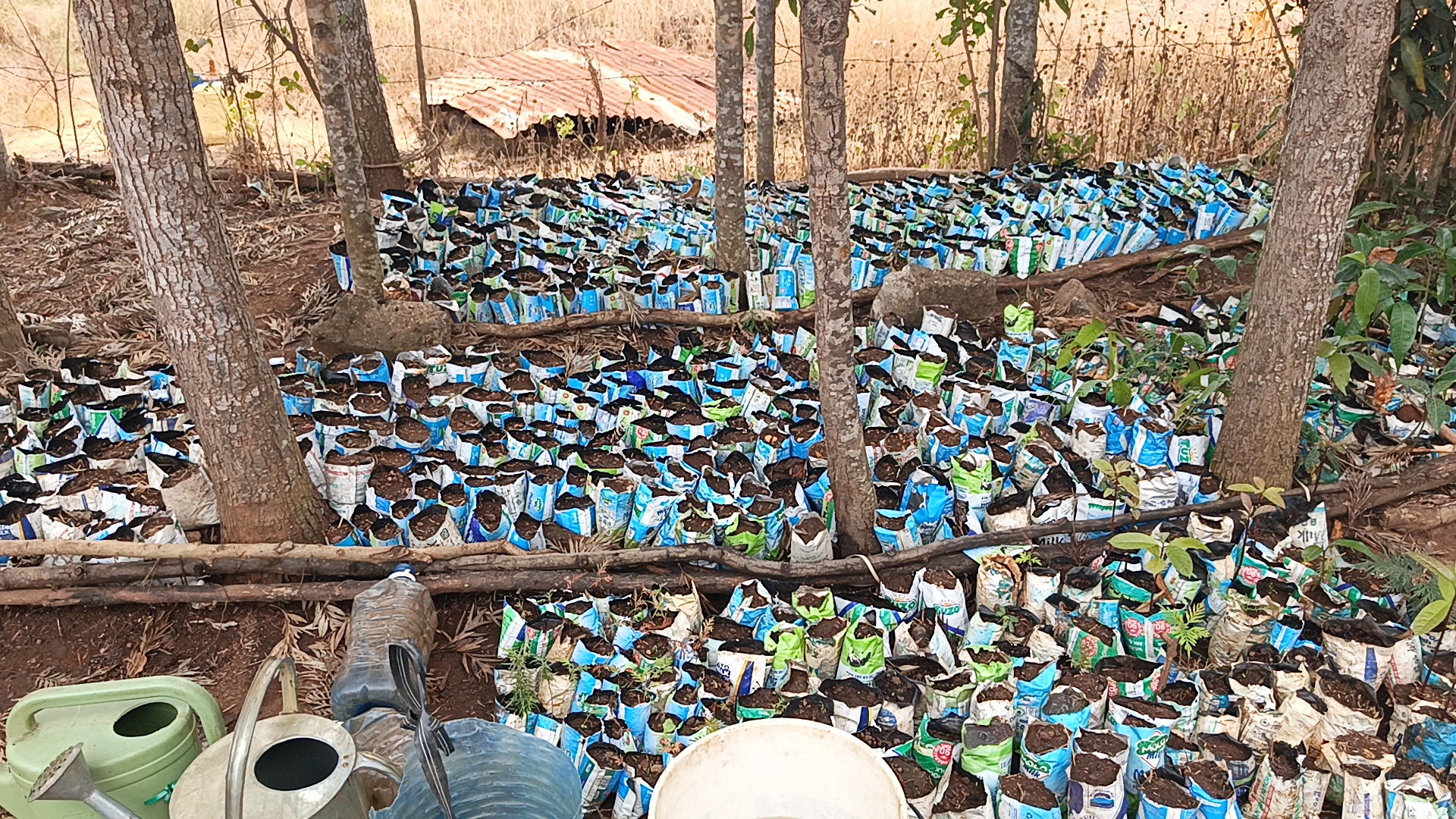
Improper disposal of household and community waste can pollute water sources, block drainage systems, and create an environment where diseases can spread. Sustainable waste management is an important part of creating healthy communities.
Water points, toilets, drainage systems, and handwashing stations require investment and regular maintenance. Where these facilities are unavailable or poorly maintained, communities struggle to maintain healthy WASH practices.
Limited household and community resources can make it difficult to build, maintain, and access WASH facilities. Affordable and locally sustainable solutions are therefore essential.
Addressing WASH challenges requires more than building infrastructure. It requires community participation, education, local leadership, investment, and strong partnerships. When communities are involved in identifying their challenges and developing solutions, they are better positioned to take ownership and sustain WASH improvements.
Everyone deserves access to clean water, safe sanitation, and a healthy environment.
As communities, organizations, governments, and development partners, we can work together to address WASH challenges and create lasting change.
Let us invest in WASH today for healthier, safer, and more resilient communities tomorrow.




Share This News